


Cozumel Reef Ecology - Biodiversity

Biodiversity in the Cozumel Marine Sanctuary

Cozumel, a stunning island off the coast of Mexico, is renowned for its vibrant coral reefs and rich marine biodiversity. The Cozumel Marine Sanctuary is a protected area that plays a crucial role in maintaining the ecological balance of the Caribbean Sea. One of the most fascinating aspects of this ecosystem is the symbiotic relationships that exist between corals and various marine life forms, particularly the microscopic algae known as Zooxanthellae.
Understanding Symbiotic Relationships
Symbiosis is a close and often long-term interaction between two different biological species. In the case of coral reefs, one of the most important symbiotic relationships is between corals and Zooxanthellae.
Corals and Zooxanthellae
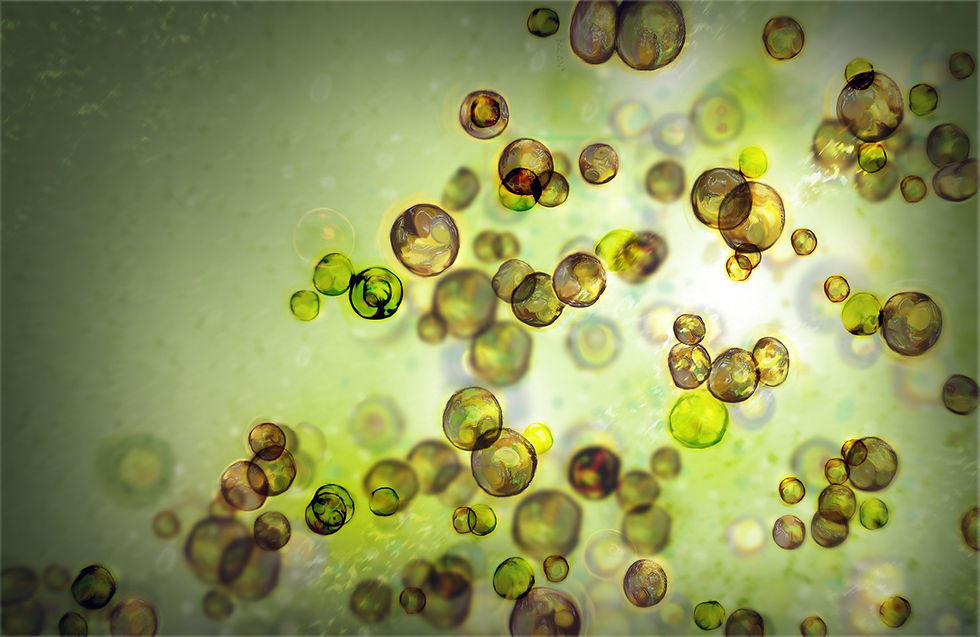
Corals are marine invertebrates that form colonies and build reefs by secreting calcium carbonate. Zooxanthellae, on the other hand, are photosynthetic algae that live within the coral's tissues. This relationship is mutually beneficial: the corals provide the algae with a protected environment and the compounds necessary for photosynthesis, while the Zooxanthellae supply the corals with oxygen and organic compounds that are products of photosynthesis. This process not only supports coral health but also contributes to the vibrant colors and resilience of coral reefs.

Corals and Fish
Many fish species find refuge in the anemones or corals. These fish help keep the coral clean by eating algae and detritus, while the corals provide shelter and protection from predators. If you listen carefully, you can hear the parrotfish munching on the coral to consume the Zooxanthellae.

Corals and Other Marine Life
Various other marine organisms, including sea turtles, sea urchins, and sponges, also play vital roles in the reef ecosystem. For instance, sea turtles graze on seagrass and algae, promoting healthy growth of coral reefs by preventing overgrowth.
The Importance of Coral Reefs
Coral reefs are often referred to as the "rainforests of the sea" due to their incredible biodiversity. They provide critical habitats for countless marine species, support local economies through tourism and fishing, and protect coastlines from erosion and storm damage. However, these ecosystems are under threat from climate change, pollution, and overfishing.
Tips to Help Preserve the Reefs
To ensure the survival of the Cozumel Marine Sanctuary and its coral reefs, it is essential to adopt practices that protect these delicate ecosystems. Here are some tips to help preserve the reefs:
Practice Responsible Diving and Snorkeling: Always follow guidelines set by local authorities and avoid touching or standing on coral.
Avoid Sunscreens that Harm Marine Life: Wear a rash guard instead to prevent harmful chemicals from entering the ocean.
Participate in Clean-Up Efforts: Join local organizations in beach and underwater clean-up activities to remove debris and pollutants.
Support Sustainable Tourism: Choose DIMI Scuba Tours, an eco-friendly tour operator, that prioritizes the health of the marine environment.
Educate Yourself & Others: Share knowledge about the importance of coral reefs and the threats they face to raise awareness,
Volunteer: Join the Cozumel Coral Reef Restoration Program - CCRRP to plant, monitor and tend to corals and undo the damage humans have done.


Be a Conscientious and Help Protect the Reefs
The Cozumel Marine Sanctuary is a vital ecological treasure, showcasing the intricate symbiotic relationships that sustain coral reefs and marine life. By understanding and appreciating these connections, we can take meaningful steps to protect and preserve these ecosystems for future generations. Engaging in responsible practices and supporting conservation efforts will help ensure that the vibrant underwater world of Cozumel continues to thrive.
Learn more about the impact on coral reefs.

Comments